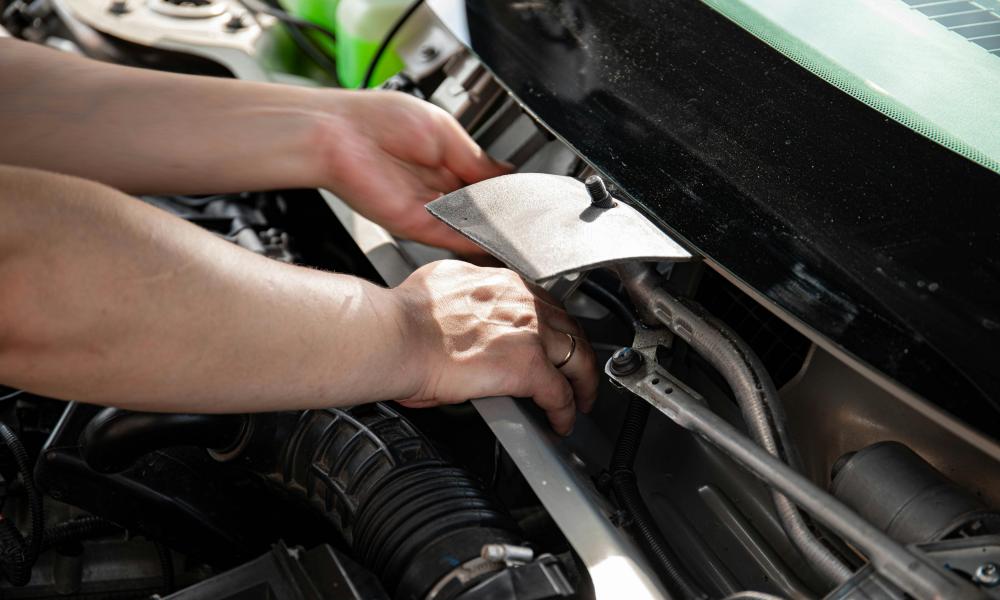
The maintenance that sustains a vehicle over its lifetime is not primarily the dramatic kind — the engine rebuilds, the major component replacements, the interventions that produce visible change and generate repair bills worth remembering. It is the invisible kind: the small, regular acts of attention that prevent the dramatic interventions from becoming necessary. Filter replacement belongs in this category. It is maintenance that leaves no visible trace of having been performed, and whose value exists entirely in the consequences it prevents.
The Maintenance Hierarchy
Not all maintenance is equal in its consequences or its timing sensitivity. Some interventions — addressing a failing component before it fails completely — have a relatively forgiving window. Others — maintaining filtration systems within their effective operating range — have a narrower one, because the damage that results from operating outside that range is continuous rather than discrete. An engine running on a severely restricted air filter is not accumulating risk of a future problem. It is experiencing a present one, at a rate determined by the severity of the restriction and the conditions of use.
This places filter maintenance in a different category from the repairs it helps to prevent. A repair can be scheduled when circumstances allow. Filter replacement, to be genuinely preventive rather than merely reactive, needs to happen within the window where it is still preventing rather than responding. The distinction is the difference between maintenance and damage control, and only one of them is cheap.
The Cost That Doesn’t Appear on a Bill
The economic case for regular filter maintenance is complicated by the fact that its primary benefit — the damage it prevents — never appears on a receipt. The fuel economy that was sustained rather than eroded. The engine components that did not wear prematurely. The repair appointment that was never necessary. These are real savings, but they are invisible ones, and invisible savings are easy to discount when the cost of the filter is immediate and the cost of not replacing it is deferred and uncertain.
The useful reframe is to treat filter replacement not as an optional expenditure but as a fixed cost of operation — as predictable and non-negotiable as fuel. The vehicle requires fuel to run. It requires clean air and clean cabin filtration to run as designed. The filter is part of the operating cost, not an additional one.
Consistency as the Variable
The difference between the vehicles that age well and those that do not is rarely a matter of the quality of individual maintenance interventions. It is a matter of consistency — the accumulation of small, regular acts of attention applied across the full life of the vehicle rather than sporadically when problems become apparent. A filter replaced on a consistent seasonal schedule contributes to this accumulation in a way that a filter replaced reactively, after symptoms appear, cannot. The consistency is the maintenance. Everything else is just repair.
The best maintenance leaves no story to tell. It simply keeps the vehicle running as it should.