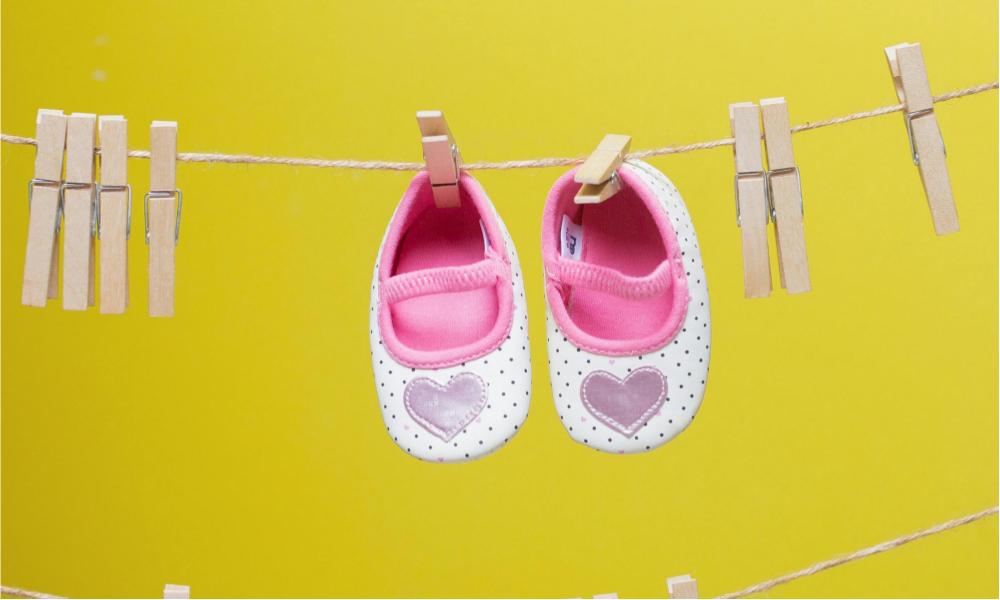
A child who could not walk at the start of spring is running by summer. The developmental changes that occur within a single season of early childhood are so rapid, and so consequential, that the footwear chosen at the beginning of that period may be genuinely inadequate by its end — not because it was poorly chosen, but because the foot it was chosen for no longer exists in quite the same form.
Growth That Cannot Be Assumed
The rate of foot growth in early childhood has no equivalent in adult experience. A child between twelve and twenty-four months can move through two or three shoe sizes in a single year — with the growth distributed unevenly across that period, accelerating in bursts that may compress an entire size change into six or eight weeks. The parent who checks fit monthly during this period will catch these changes before they cause problems. The parent who relies on the shoe still going on as confirmation that it still fits will miss them consistently, because a foot can be significantly compressed by a shoe that still closes over it.
The practical consequence of missed size changes accumulates invisibly. Compression of the forefoot during cartilage ossification does not announce itself as pain in most children — the developing foot adapts to the available space, and the adaptation is the problem. Regular measurement — with a ruler or a fit gauge, not an estimate — is the only reliable method for staying ahead of a process that does not wait for convenient moments.
Seasonal Conditions and Material Choice
Beyond size, the season introduces a second variable that affects footwear choice: the thermal and moisture environment in which the shoe operates. A boot appropriate for winter conditions — insulated, waterproof, necessarily somewhat stiffer than a summer shoe — places different constraints on the foot than the lightweight canvas or mesh shoe appropriate for warm months. The transition between these categories is worth treating as an active decision rather than a passive one: an opportunity to assess not only whether the new season’s footwear fits correctly, but whether the material properties are appropriate for the conditions in which it will be worn.
The Fit Check as Ritual
Treating the seasonal shoe change as a structured fit check — measuring both feet, checking for red marks or unusual wear patterns on the old pair, assessing whether the new pair allows the correct amount of growth room — converts what might otherwise be a rushed practical task into a moment of genuine developmental attention. The information gathered in five minutes of careful assessment is worth considerably more than the time it takes, and the habit, established early, persists as a useful practice well beyond the prewalker years.
Growth doesn’t wait for the right moment. The fit check does.