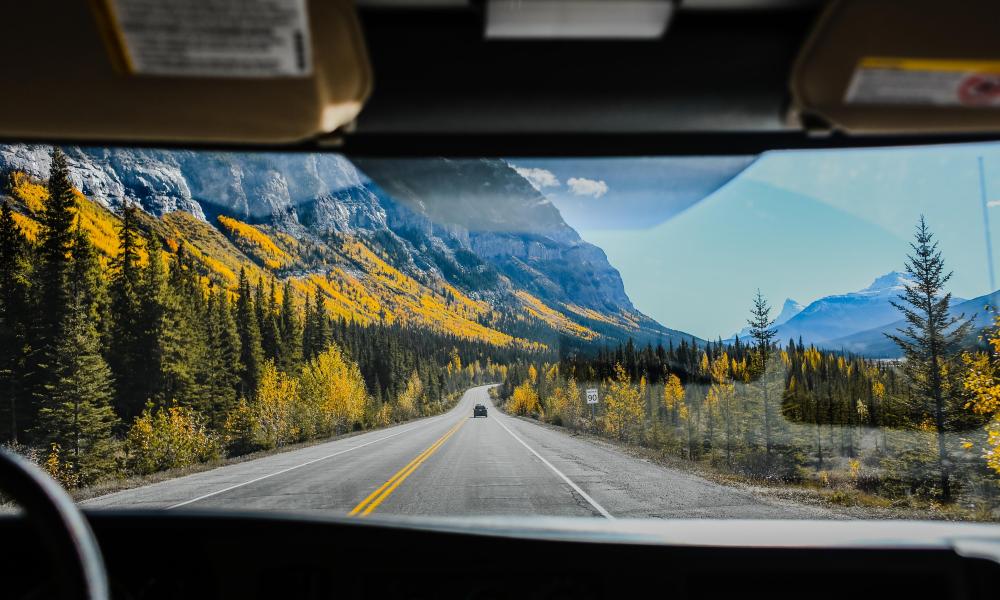
A journey is commonly understood as the space between a starting point and a destination — something to be completed rather than experienced, a necessary interval before arrival. But the hours spent in transit are hours nonetheless, and the quality of the environment in which they are spent is not incidental to the quality of the day they are part of. The cabin of a car is not a waiting room. It is a space, and the air inside it is a condition of everything that happens there.
Time Inside the Cabin
The average driver in an urban environment spends between one and two hours per day inside their vehicle. Over the course of a working year, this accumulates to somewhere between two hundred and four hundred hours — a figure large enough to make the quality of the cabin environment a meaningful variable in overall wellbeing, rather than a trivial detail of vehicle maintenance. The air breathed during those hours, the sensory environment of the cabin, the degree of fatigue accumulated over a long commute — these are not separate from the day. They are part of it.
A premium cabin air filter addresses the air component of this equation. It does not make the commute shorter or the traffic lighter. But it ensures that the air being breathed during those hours is as clean as the vehicle’s design intended — free of the fine particulates, allergens, and gaseous pollutants that an aging filter progressively fails to intercept. This is a modest intervention with a consistent presence across every journey made after it.
The Engine and the Long Haul
For vehicles used primarily for longer journeys — highway driving, regular intercity routes, extended commutes — the engine air filter faces a different profile of demand than urban driving produces. Higher sustained speeds mean greater volumes of air processed per hour, which means faster filter loading under dusty or polluted conditions. The performance implications of a restricted filter are also more apparent at highway speeds, where the engine is operating closer to its efficiency parameters and the margin for compromised airflow is smaller.
A filter inspection timed to coincide with the beginning of a period of heavier use — a summer of road trips, a new commute pattern, a change in driving environment — catches these situations before they affect performance rather than after. The filter that was adequate for the previous pattern of use may not be adequate for the new one, and the gap between adequate and inadequate is always easier to close before it opens fully.
Arrival in Better Condition
There is a practical version of the argument for clean cabin air that has nothing to do with health statistics or filter specifications: arriving at a destination in better condition than the journey alone would produce. Less accumulated fatigue. Clearer concentration. The sense that the time in the car was spent in a decent environment rather than endured in a poor one. This is the experiential return on a filter replacement — diffuse, cumulative, and real in the way that things felt rather than measured are real.
The journey is part of the day. The air inside it should be worth breathing.