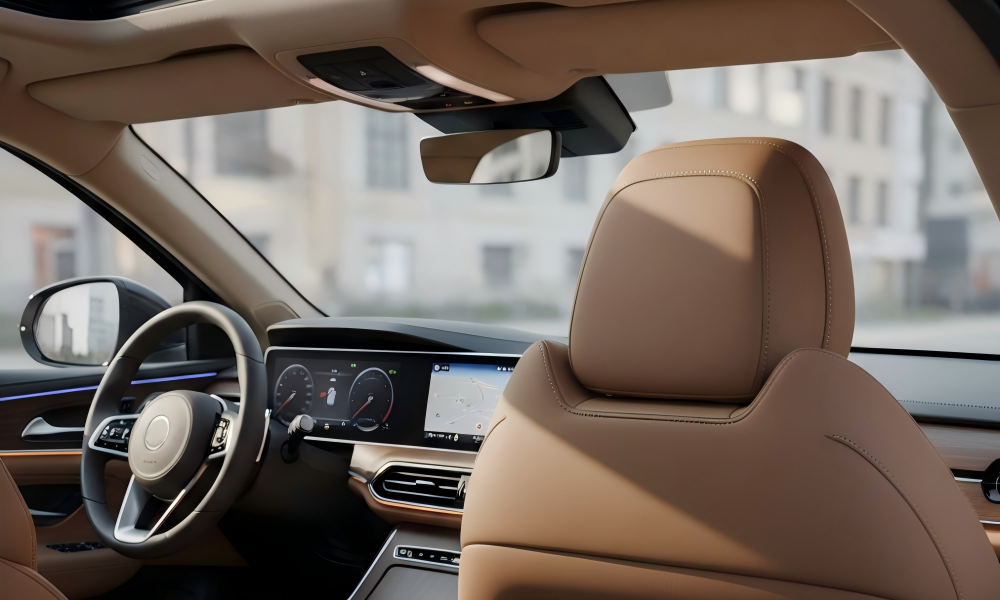
As the boundaries between work, travel, and home continue to blur, the vehicle is no longer just a tool for movement—it has become a “Second Living Room.” In this evolving space, the difference between a tiring commute and a rejuvenating journey lies in the quality of the details within the cabin.
The Ergonomics of Endurance
Think: Support as a Foundation for Safety.
The Why: Long-distance driving takes a silent toll on the musculoskeletal system. High-quality ergonomic supports—such as memory foam headrests and lumbar cushions—do more than provide comfort; they maintain the spine’s natural curve, reducing micro-fatigue that can impair driver reaction times.
The Tech: Look for materials with slow-rebound characteristics and perforated breathable covers, ensuring that temperature regulation is as consistent as the physical support.
Sensory Luxury: Beyond the Visual
Think: Texture and Atmosphere.
The Why: The tactile experience of the steering wheel and seat surfaces dictates the driver’s subconscious stress level. Upgrading to premium interior trim or bespoke floor mats isn’t just about aesthetics; it’s about sound dampening and tactile feedback.
The Detail: High-density materials help absorb road noise, turning the cabin into a quiet sanctuary where audio systems sound clearer and conversations feel more intimate.
Curating Your Mobile Sanctuary
Think: Personalization as a Form of Wellness.
The Why: A cluttered or “standard” interior can feel clinical. By intentionally curating accessories that reflect a high-end lifestyle—such as integrated storage solutions or refined air diffusion systems—you transform the vehicle into a space of emotional recovery.
The Result: When you arrive at your destination, you arrive refreshed, not just “delivered.”
The Modern Drive Investing in the cabin environment is an investment in your most valuable asset: your time. By treating the car as an extension of the home, we redefine the journey as part of the destination.