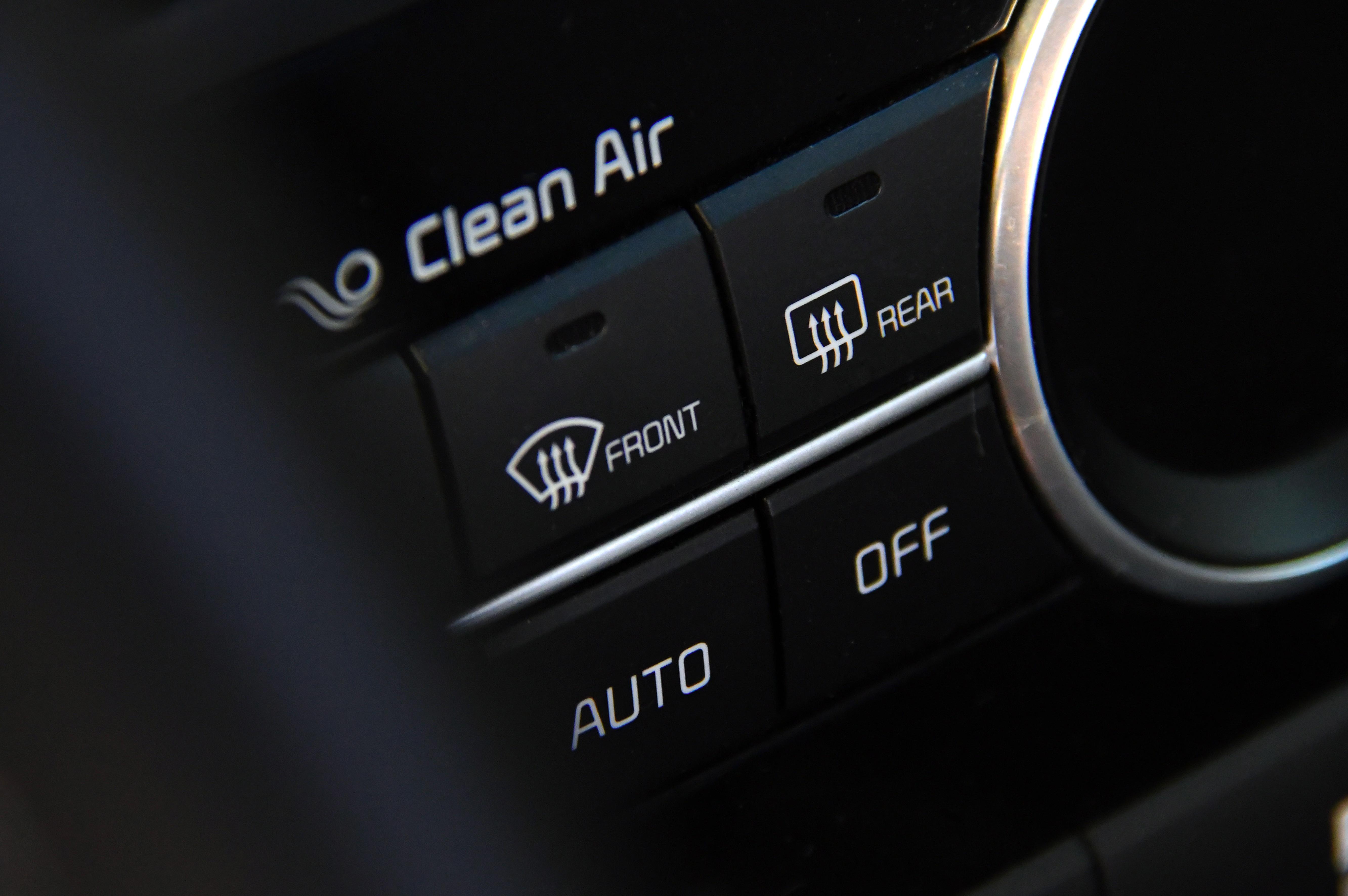
The components that draw attention in a car are the ones connected to performance or appearance — the engine, the bodywork, the interior finish. The components that actually determine the quality of the experience, day in and day out, tend to be invisible. A cabin air filter is never photographed. It has no aesthetic presence. It does its entire job without being noticed — and when it stops doing that job, the change is felt before it is understood.
The Invisible Baseline
Cabin air quality degrades so gradually that the change rarely registers as a specific event. One day the air inside the car simply feels slightly heavier than it used to. The climate control seems to work a little harder. A faint background smell has become unremarkable through repetition. None of these are dramatic. Together, they represent a meaningful reduction in the quality of an environment occupied for hours every week. Replacing the filter does not feel like an improvement so much as a restoration — a return to what was always there.
What the Engine Quietly Requires
The engine air filter operates on the same principle of invisible maintenance. Its job is to keep abrasive particles out of the combustion chamber — a task with no visible indicator of success and a very visible indicator of failure. Reduced fuel economy. Sluggish throttle response. Premature wear on components that cost significantly more than the filter that was supposed to protect them. The economics are straightforward. The difficulty is remembering to act before the cost arrives.
Care as a Practice
The vehicles we maintain well do not announce themselves. They simply run — quietly, reliably, without drama — for longer than the ones we don’t. This kind of care is not exciting. It does not make for interesting conversation. It is the automotive equivalent of sleeping well and eating reasonably: unglamorous, compound, and worth every bit of the small effort it requires.
The best maintenance is the kind you never have to think about twice.